Ever wonder how some pickleball players hit those strong, controlled shots? A lot of times, it’s thanks to a well-practiced two handed pickleball backhand. This shot can really change your game, giving you more power and making your shots more steady. If you’re looking to step up your pickleball skills, learning this technique is a great idea. It’s not as hard as it looks, and once you get it down, you’ll see a big difference in how you play.
Key Takeaways
- The two handed pickleball backhand makes your shots stronger and more reliable.
- Getting your hands in the right spot is super important for this shot.
- Practice your footwork and swing to make your backhand smooth.
- Doing drills helps you get better at hitting the two handed pickleball backhand.
- Avoid common mistakes like bad grip or rushing your shots to play better.
Why Master the Two Handed Pickleball Backhand?
Enhanced Power and Control
So, you’re wondering why bother with a two-handed backhand in pickleball? Well, for starters, it’s a game-changer for power and control. Think about it: with both hands on the paddle, you’re engaging more of your body, not just your arm. This means you can really drive through the ball, sending it zipping past your opponent. It’s not just about hitting hard, though. That extra hand gives you a lot more stability, which translates directly into better control over where the ball goes. You can place shots with more accuracy, whether you’re aiming for a deep corner or trying to thread the needle down the line. This dual-hand grip lets you put more force into your shots while keeping them exactly where you want them. It’s like having a built-in stabilizer for your swing. This can be a big deal when you’re trying to hit a double-handed backhand that really counts.
Increased Stability and Consistency
One of the biggest headaches in pickleball is inconsistency, especially on the backhand side. A lot of players struggle with shaky shots or just not being able to repeat good swings. The two-handed backhand helps a ton with this. Because you’ve got both hands working together, your paddle face stays much more stable through the contact point. This reduces those frustrating mishits and gives you a more reliable swing path. It’s like having a solid foundation for every shot. When you’re stable, you’re consistent, and consistency wins points. Plus, it helps absorb the shock from faster shots coming your way, making it easier to return them with confidence. You’ll find yourself making fewer unforced errors and keeping rallies going longer.
It’s not just about hitting the ball; it’s about hitting it well, every single time. The two-handed backhand provides that reliable platform, turning those wobbly returns into solid, dependable shots that keep your opponents on their toes. It’s a simple change that can make a huge difference in your overall game.
Strategic Advantages on the Court
Beyond just hitting the ball better, having a solid two-handed backhand opens up a whole new world of strategic options. If your opponent knows your backhand is weak, they’ll just pound balls to that side all day. But if you’ve got a strong two-handed backhand, suddenly they can’t just pick on one side of your body. This forces them to think more, to hit different shots, and that’s where you gain an edge. You can use your powerful backhand to:
- Drive the ball deep into their court, pushing them back.
- Hit cross-court angles that are tough to reach.
- Take advantage of short balls with aggressive swings.
- Counter their attacks with confidence.
It makes you a much more balanced player, and a balanced player is a dangerous player. It’s all part of pickleball strategy that can help you dominate your opponents. You’re not just reacting; you’re dictating the play.
Grip Fundamentals for Your Two Handed Pickleball Backhand
Primary Hand Placement
Getting your primary hand right is the first step to a solid two-handed backhand. For most players, this means using a continental grip. Imagine you’re holding a hammer; that’s pretty close to what you want. Your index knuckle and the heel of your hand should sit on bevel 2 (if you’re right-handed and looking at the paddle face straight on, bevel 1 is the top, bevel 2 is the top-right angle). This grip lets you get under the ball for slices and also drive through it. A consistent primary hand grip sets the stage for power and control. Without this, your shot will feel wobbly and unpredictable. Some players might prefer a slightly different grip, like a western pickleball grip, but continental is a great starting point for two hands.
Secondary Hand Integration
Now for the second hand. This hand goes above your primary hand on the grip. For a right-handed player, your left hand will be on top. The key here is to have both hands working together, not fighting each other. Your secondary hand should mirror your primary hand’s grip as much as possible, often using a semi-western or even a full western grip. This setup allows for maximum leverage and a compact swing. Think of it like this:
- Right-handed player: Right hand (primary) in continental, left hand (secondary) in semi-western or western.
- Left-handed player: Left hand (primary) in continental, right hand (secondary) in semi-western or western.
This dual grip helps you generate more racket head speed and keeps the paddle face stable through impact. It’s a bit like how a baseball player holds a bat – both hands are active.
Achieving a Balanced Grip
Finding the right balance between your two hands is super important. You don’t want one hand dominating the other. Both hands should apply even pressure, allowing for a fluid motion. If one hand is too tight or too loose, it throws off the whole shot. Practice holding the paddle with both hands and feeling the pressure distribution. It should feel natural, not forced. A good way to check is to try to wiggle your fingers on both hands; if you can’t, you might be gripping too tightly. Remember, a relaxed grip often leads to more power and better feel. For a good backhand, especially a backhand roll, a balanced grip is non-negotiable. It’s also important for shots like the backhand counter, where stability is key.
Many players make the mistake of gripping the paddle too tightly with their dominant hand, which can lead to arm fatigue and a loss of touch. The two-handed backhand thrives on a balanced, cooperative effort from both hands, allowing for a more natural and powerful swing. Focus on even pressure and a relaxed hold to get the most out of your shot.
Essential Techniques for the Two Handed Pickleball Backhand
Proper Stance and Preparation
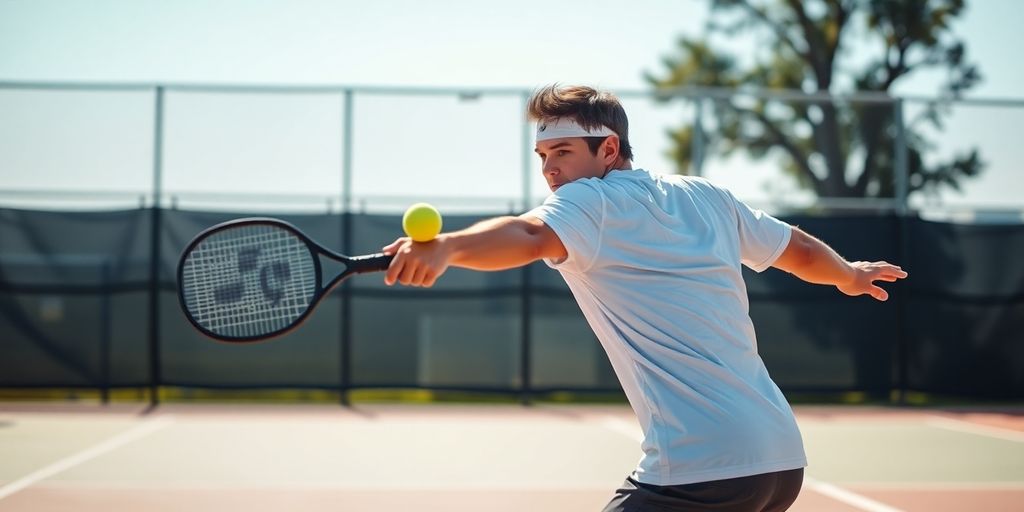
Getting ready for the shot is half the battle, seriously. You want to be in an athletic stance, knees bent a little, weight slightly forward on the balls of your feet. When you see that ball coming to your backhand side, the first thing to do is turn your shoulders. This isn’t just a little twist; it’s a full body rotation that gets your non-dominant shoulder pointing towards the net. Your paddle should come back with you, but not too far. Think compact, not a huge wind-up. A short, controlled backswing is key to hitting the ball cleanly and on time.
It’s easy to get caught flat-footed, but good preparation means you’re already moving into position before the ball even gets to you. This proactive approach gives you those extra milliseconds to set up the perfect shot, making all the difference in a fast-paced game.
Fluid Swing Mechanics
Once you’re set, the swing itself needs to be smooth. It’s not about muscling the ball; it’s about using your body’s rotation and the natural flow of your arms. As you swing forward, both hands work together. Your dominant hand guides the paddle, and your non-dominant hand provides the power and stability. Imagine pushing through the ball, not just swatting at it. The paddle face should stay relatively square to the ball at contact, then naturally close a bit as you follow through. This helps with topspin and keeping the ball in play. For more on how to play, check out pickleball doubles rules.
Here’s a quick breakdown of the swing path:
- Initial Movement: Shoulders turn, paddle comes back slightly.
- Forward Swing: Hips and torso rotate, arms extend towards the ball.
- Contact Point: Meet the ball out in front of your body.
- Through the Ball: Continue pushing through the ball, not just at it.
Effective Follow-Through
Don’t stop your swing right after you hit the ball. A good follow-through is super important for control and power. After contact, let your paddle continue moving forward and up, finishing across your body. Your non-dominant hand will often end up near your dominant shoulder. This motion helps ensure you’ve transferred all your energy into the shot and gives the ball that extra bit of pace and spin. It also helps you maintain balance, which is pretty important in professional pickleball. Think of it like painting a stroke – you don’t stop halfway. You complete the motion. This full, uninhibited movement is what separates a decent shot from a great one. To improve your overall game, consider mastering pickleball strategy.
Drills to Improve Your Two Handed Pickleball Backhand
Wall Drills for Repetition
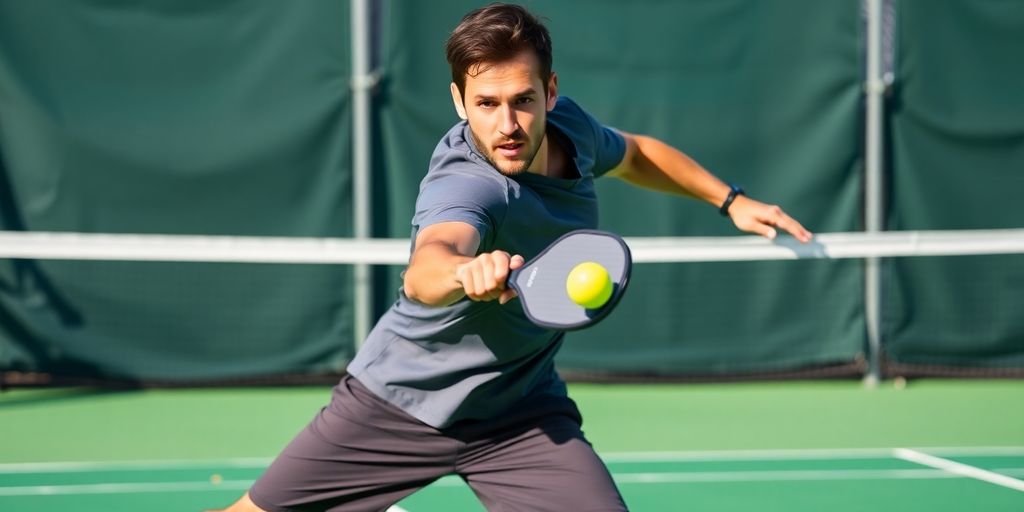
Working with a wall is a fantastic way to get a ton of reps in without needing a partner. It’s all about building that muscle memory and getting comfortable with the motion. You want to hit the ball against the wall, focusing on a smooth, consistent two-handed backhand stroke each time. Start close to the wall, maybe 5-7 feet away, and just keep the ball going. Don’t worry about power at first; focus on control and making solid contact. As you get better, you can move back a bit and try to hit with a little more pace. This drill helps you feel the paddle face and how it interacts with the ball. It’s also great for working on your footwork, even if it’s just small adjustments to stay in position.
Partner Drills for Live Play
Once you’ve got the basic feel down with the wall, it’s time to bring in a partner. Live play drills are where you really start to apply what you’ve learned in a more dynamic setting. Here are a few ideas:
- Backhand Cross-Court Rally: Stand at the baseline with your partner. Both of you try to hit only two-handed backhands cross-court. This forces you to move and adjust to different ball speeds and spins. It’s a great way to practice consistency under pressure.
- Backhand Dinking Drill: Move up to the kitchen line. Your partner feeds you dinks to your backhand side, and you respond with two-handed backhand dinks. Focus on keeping the ball low over the net and landing it softly in the kitchen. This builds touch and control.
- Alternating Backhand Drives: One person hits a deep two-handed backhand drive, and the other person returns it with their own two-handed backhand drive. This helps you practice hitting with power and depth, and also getting ready for the next shot. For more general tips on improving your game, check out how to play like a pro Mastering Pickleball.
Target Practice for Precision
Precision is key in pickleball, and that includes your two-handed backhand. Setting up targets can really help you dial in your accuracy. You can use cones, towels, or even just imaginary squares on the court. The idea is to pick a spot and try to hit it consistently. For example, try to hit your backhand into the back corner of the opponent’s court, or aim for a specific area in the kitchen during dinking drills. This kind of practice makes your shots more purposeful. It’s not just about getting the ball over the net; it’s about putting it where you want it to go. This focus on placement can really change your game, making your backhand a weapon instead of just a defensive shot. If you’re looking for equipment to help with your precision, consider exploring the best pickleball paddles Paddles for Beginners. Also, don’t forget to practice your serve; effective training tips Pickleball Serve can help you set up these precise backhand opportunities.
Practicing with purpose is what turns a good shot into a great one. Don’t just hit balls; hit them with an intention, whether it’s for consistency, power, or pinpoint accuracy. Every drill should have a clear goal in mind to truly improve your two-handed backhand.
Common Mistakes to Avoid with the Two Handed Pickleball Backhand
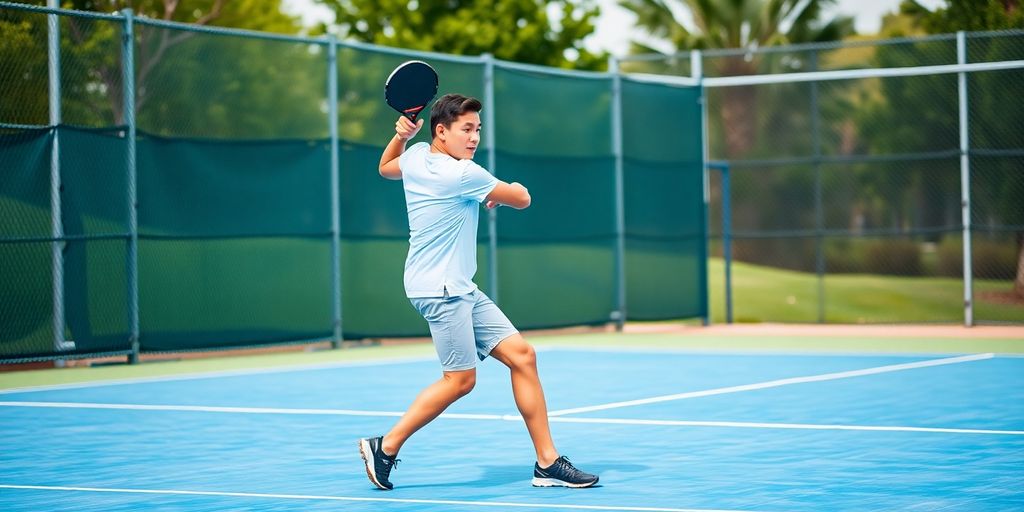
Nobody’s perfect, especially when you’re trying to get good at something new like the two-handed backhand in pickleball. It’s easy to fall into bad habits, but knowing what to watch out for can save you a lot of frustration. Think of it like learning to drive; you’re going to make mistakes, but if you know the common pitfalls, you can avoid a lot of fender benders.
Incorrect Grip Issues
One of the biggest problems people run into is not holding the paddle right. It sounds simple, but a bad grip can mess up your whole shot. You might be holding it too tight, or maybe your hands aren’t positioned correctly. A grip that’s too firm can make your swing stiff and take away all your power. On the flip side, if it’s too loose, you’ll lose control of the paddle. It’s a balancing act, really. Also, sometimes people don’t get their secondary hand in the right spot, which means they’re not getting the full benefit of having two hands on the paddle. It’s like trying to push a car with only one arm; you’re just not going to get the same oomph.
It’s easy to get caught up in the heat of the game and forget about your grip, but taking a moment to reset it can make a huge difference. A good grip is the foundation of a solid shot, and without it, everything else crumbles. It’s worth the time to practice it until it feels natural.
Poor Footwork Habits
Another common mistake is sloppy footwork. You can have the best swing in the world, but if you’re not in the right spot, it won’t matter. People often don’t move their feet enough, or they move them in the wrong way. This means they’re reaching for the ball instead of getting their body behind it. Or, they might be flat-footed, which makes it hard to react quickly. Good footwork is all about getting yourself into a position where you can hit the ball comfortably and with power. It’s not just about getting to the ball, it’s about getting to the ball in a way that sets you up for success. For more pickleball playing tips, focus on your footwork.
Rushing the Shot
Finally, a lot of players rush their shot. They see the ball coming and they just want to hit it as fast as possible. But this often leads to errors. You might swing too early, or too late, or just not make good contact. It’s like trying to solve a puzzle without looking at all the pieces. You need to give yourself time to set up, to get your body in position, and to really see the ball. This means not taking a huge backswing, especially when you’re close to the net. It’s about being patient and letting the shot develop. If you’re making common pickleball mistakes, rushing is probably one of them. Remember, the game is about control and placement, not just hitting the ball hard. Understanding the essential rules of pickleball can also help you slow down and play smarter.
- Don’t grip the paddle too tightly; keep it firm but relaxed.
- Always move your feet to get into the best hitting position.
- Resist the urge to rush your swing; take your time and focus on making good contact.
- Practice your footwork drills regularly to build muscle memory.
- Focus on a compact swing, especially for volleys, to avoid being late.
Advanced Strategies for the Two Handed Pickleball Backhand
Aggressive Driving Shots
Once you’ve got the basics down, it’s time to think about really putting some heat on the ball. Using your two-handed backhand for aggressive driving shots can really put your opponents on their heels. You want to aim for their feet or deep into the corners. It’s not just about hitting hard, though; it’s about hitting with purpose. Think about these points:
- Load up your body weight before the swing.
- Drive through the ball, not just at it.
- Finish high, pointing your paddle where you want the ball to go.
When you hit an aggressive drive, you’re trying to force a weak return or even a missed shot. It’s a way to take control of the point and dictate the pace. Don’t just swing wildly; have a target in mind.
Soft Drops and Dinks
It’s not all about power, you know? Sometimes, the soft touch is what wins the point. Your two-handed backhand can be surprisingly good for delicate shots like drops and dinks. The extra hand gives you more control, which is super helpful when you’re trying to get the ball to just barely clear the net and land in the kitchen. For two-handed backhand dinks, remember to:
- Keep your paddle face open.
- Use a short, compact swing.
- Focus on absorbing the ball’s energy.
Countering Opponent’s Attacks
When your opponent tries to speed things up, your two-handed backhand can be your best friend for defeating bangers. It gives you a solid base to absorb their power and send it right back. You’re not just blocking; you’re redirecting. Here’s how to think about it:
| Attack Type | Two-Handed Backhand Counter Strategy |
|---|---|
| Hard Drive | Block and redirect cross-court. |
| Speed-up | Absorb pace, then dink or reset. |
| Overhead | Lob deep or drive through their feet. |
It’s about staying calm and using the stability of both hands to control the ball, even when it’s coming at you fast. Don’t panic; just react with purpose.
Maintaining Your Two Handed Pickleball Backhand Performance
Regular Practice Routine
Keeping your two-handed backhand sharp means you gotta put in the work. It’s not just about hitting balls; it’s about hitting them with purpose. A consistent practice schedule is key to solidifying muscle memory and refining your technique. Think about setting aside specific times each week just for backhand drills. You could even break it down: one day for power shots, another for soft dinks. This kind of focused practice helps you iron out any kinks before they become bad habits. Remember, even pros practice the basics. For more on how to structure your practice, check out these pickleball serve tips.
Physical Conditioning Tips
Your body needs to be ready for the demands of the two-handed backhand. It’s not just about arm strength; your core, legs, and even shoulder flexibility play a big part. Neglecting these areas can lead to sloppy shots or, worse, injuries. Here are some things to consider:
- Core Strength: Planks, Russian twists, and bicycle crunches can really help stabilize your torso during the swing.
- Leg Power: Lunges and squats build the explosive power you need for quick movements and a strong base.
- Shoulder Mobility: Gentle stretches and rotator cuff exercises keep your shoulders loose and prevent strain.
- Overall Endurance: Cardio, like jogging or cycling, helps you maintain your energy throughout longer matches.
It’s easy to overlook the physical side of pickleball, but a strong, flexible body is your best friend on the court. Don’t just practice your shots; train your body to execute them effectively and safely. A little bit of off-court work goes a long way in keeping your game at its peak.
Mental Game Focus
Pickleball isn’t just physical; it’s a mental game too. Maintaining your two-handed backhand performance means staying sharp upstairs. When you’re feeling good mentally, your shots just seem to flow better. Here’s how to keep your head in the game:
- Visualize Success: Before a match or even a practice session, picture yourself hitting perfect backhands. This builds confidence.
- Stay Positive: Don’t dwell on mistakes. Everyone shanks a shot now and then. Learn from it and move on.
- Focus on the Process: Instead of worrying about the outcome, concentrate on executing each step of your backhand technique.
- Manage Pressure: In tight situations, take a deep breath. Remind yourself of all the practice you’ve put in. This can help with winning every match.
- Learn from Others: Watch how experienced players handle pressure and maintain their composure. You can also learn a lot from understanding the rules for playing pickleball doubles.
Want to keep your two-handed pickleball backhand strong? It’s super important to practice regularly and use the right moves. If you want to get even better, check out our website for more tips and tricks!
Conclusion
So, there you have it. The two-handed backhand in pickleball can really change your game. It gives you more control and power, which is pretty cool. Just remember, it takes some practice to get it right. Don’t get down on yourself if it doesn’t click right away. Keep working on your grip, your swing, and how you stand. The more you play, the better you’ll get. And who knows, maybe this will be the thing that takes your pickleball skills to the next level. Good luck out there!
Frequently Asked Questions
Why should I use a two-handed backhand in pickleball?
Using two hands on your backhand gives you more power and better control over the ball. It also helps you hit the ball more consistently and makes your shots stronger, which can give you an edge during a game.
How do I hold the paddle for a two-handed backhand?
Hold the paddle with your main hand like you normally would for a forehand. Then, place your other hand just above your main hand, making sure both hands are comfy and balanced on the grip.
What’s the best way to swing for a two-handed backhand?
Start by getting into a good ready position, facing the net. As the ball comes, turn your body and get your paddle back early. Swing smoothly, using both hands to guide the paddle through the ball. Finish your swing by pointing the paddle towards your target.
What are some good ways to practice my two-handed backhand?
Practice hitting against a wall to get a feel for the motion and build muscle memory. Play with a friend to practice hitting backhands during a real game. You can also set up targets on the court to work on hitting the ball exactly where you want it to go.
What common mistakes should I avoid with this shot?
A common mistake is not holding the paddle correctly, which can make your shots weak. Another issue is not moving your feet enough, which makes it hard to get in position. Also, don’t rush your swing; take your time and make sure you hit the ball cleanly.
How can I use my two-handed backhand to play better?
You can hit hard, driving shots to put pressure on your opponent. You can also use soft shots, like dinks, to drop the ball just over the net. And with practice, you’ll learn to use your two-handed backhand to send back your opponent’s strong shots.